
The Future of Software Engineering: How AI Is Reshaping Development in 2026 and Beyond
From automated code generation to ethical AI frameworks, artificial intelligence is fundamentally transforming how software is built, tested, and maintained. Here is what every engineer and tech leader needs to know.

Codmaker
Independent product lab

A Transformative Era for Software Engineering
The future of software engineering is increasingly intertwined with the advancements in artificial intelligence. Machine learning, natural language processing, and automated decision-making systems are no longer peripheral tools—they are becoming integral to the development process itself. AI-powered platforms like GitHub Copilot and OpenAI Codex are transforming code generation, enabling developers to produce larger sequences of code based on high-level intent, freeing them to focus on architecture, design, and creative problem-solving.
This evolution is not merely about writing code faster. It reshapes the entire software development lifecycle—from requirements gathering and design to testing, deployment, and maintenance. The result is a paradigm shift that demands new skills, new organizational structures, and a fundamental rethinking of what it means to be a software engineer in the age of intelligent machines.
As we stand at this inflection point, the software engineering community faces both extraordinary opportunities and significant challenges. Understanding the historical context, current trends, and future trajectory of AI integration is essential for anyone building or leading technology teams today.
Historical Context: The Evolution of Automation in Software
The roots of software automation trace back to the early twentieth century, when mechanical automation and early calculating machines first emerged. The introduction of assembly line innovations marked the beginning of process automation, eventually extending into software development with the establishment of electronic computers like ENIAC and UNIVAC in the 1940s and 1950s.
A pivotal evolution occurred during the 1960s and 1970s—the age of software automation. The invention of the first compilers allowed the mechanization of translating higher-level programming languages into low-level machine code, significantly reducing manual coding effort. Integrated Development Environments (IDEs) emerged alongside the first version control systems, further automating various aspects of the software development lifecycle.
The 21st century brought artificial intelligence into the picture. AI began playing a crucial role in reshaping traditional development practices, enabling developers to leverage machine learning and automated decision-making systems. The progression from early process automation to today's sophisticated AI-driven development environments sets the stage for the ongoing innovation we are witnessing.
Current Trends: AI-Driven Development and Efficiency Gains
The rise of AI tools, particularly large language models (LLMs) and intelligent automation, has significantly enhanced productivity and efficiency across all phases of the software development lifecycle. Platforms like GitHub Copilot and OpenAI Codex generate code based on natural language descriptions, enabling developers to prototype faster and ship with greater confidence.
Automated testing has seen perhaps the most dramatic improvements. AI-driven testing tools reduce the time and effort required for manual testing by providing faster feedback on code changes and ensuring better test coverage. These tools use machine learning to analyze code patterns and predict potential issues, allowing developers to catch bugs earlier in the development cycle—ultimately enhancing the quality and reliability of software products.
AI applications in project management have facilitated predictive analysis, enabling managers to foresee potential risks and optimize resource allocation based on historical data. This has resulted in shorter development cycles, reduced costs, and a measurable improvement in the overall efficiency of software development practices.
- AI-powered code generation reduces boilerplate and repetitive coding tasks by up to 40%
- Automated testing tools provide 3x faster feedback loops on code changes
- Predictive project management enables proactive risk mitigation and resource optimization
- Machine learning models analyze code patterns to identify bugs before they reach production
- Natural language interfaces allow non-technical stakeholders to participate in development workflows
The Evolving Role of Software Engineers
As AI technologies continue to advance, the role of software engineers is undergoing a profound transformation. With a greater emphasis on collaboration between human developers and AI systems, there is growing demand for engineers who possess not only deep technical skills but also a strong understanding of product management and strategic decision-making.
Traditional coding tasks are becoming less of a differentiator. The engineers who thrive will be those who can oversee AI-generated code, apply creative problem-solving to novel challenges, and maintain a product-oriented mindset. The ability to architect systems, evaluate trade-offs, and communicate technical decisions to stakeholders is becoming as important as the ability to write clean code.
This shift represents an evolution, not a replacement. AI augments the software engineer's capabilities, handling the routine and repetitive, while humans retain ownership of the creative, strategic, and ethical dimensions of software development. The partnership between human intuition and machine efficiency is where the most innovative products will emerge.
The Junior Developer Question: A Critical Crossroads
One of the most pressing issues in the industry is the future of junior developers. There are two sharply contrasting possibilities: AI may automate many entry-level tasks, reducing demand for junior roles, or software could proliferate so widely across industries that the demand for developers at all levels actually increases.
This dichotomy raises serious concerns about the long-term talent pipeline. If junior developers are systematically sidelined, the industry may face a leadership vacuum within 5 to 10 years—a phenomenon described by industry veterans as 'slow decay' in the ecosystem of talent. Without a pipeline of developers gaining experience through real-world projects, who will lead the engineering teams of tomorrow?
By 2025 and beyond, AI is expected to evolve into the ultimate coding assistant, not just generating snippets but translating high-level concepts into executable code. This will free engineers from mundane syntax tasks, allowing them to concentrate on strategic problem-solving, system design, and user experience. The shift from manual to AI-driven workflows provides engineers with more time to focus on the aspects of development that truly require human judgment and creativity.
Measuring AI's Impact: Frameworks for Success
To ensure effective integration of AI into development workflows, teams need to adopt rigorous frameworks for measuring impact. Organizations will need to ask critical questions: Are AI tools reducing developer cognitive load and frustration? Are they enabling faster delivery without compromising quality? Is the team's overall output improving, or are they simply shifting bottlenecks?
The best engineering teams will leverage AI ROI models and developer experience frameworks to track outcomes and continuously improve workflows. This means instrumenting the entire development pipeline to understand where AI adds value and where it introduces risk. Metrics like time-to-merge, defect density, developer satisfaction scores, and code review turnaround time become essential indicators.
The rapid advancement of AI technologies may outpace the ability of some engineers to adapt, creating a divide in the job market. Continuous evolution will require professionals to maintain their core problem-solving skills while embracing new technological advancements. Industries with data-intensive processes, such as finance and healthcare, stand to gain significantly from AI-driven automation, which promises improved efficiency and reduced manual effort.
- Track AI tool ROI through developer experience surveys and productivity metrics
- Monitor cognitive load: Are AI tools reducing frustration or adding complexity?
- Measure delivery speed without sacrificing code quality or test coverage
- Use AI-specific KPIs alongside traditional engineering metrics for a complete picture
- Invest in continuous learning programs to keep teams ahead of the AI adoption curve
Implications for Education and Workforce Development
The rapid advancement of AI is reshaping education and workforce expectations, particularly for recent graduates entering the software engineering field. As AI tools increasingly handle routine tasks traditionally performed by junior developers, the skills demanded from new entrants are evolving significantly.
Employers now prioritize candidates who can demonstrate practical skills and real-world experience over those who merely excel academically. Today's software engineering roles require more than coding abilities—higher-order thinking, collaboration skills, and the ability to engage with client demands are essential. Industry experience has become a top factor for employers when assessing applicants.
To bridge the experience gap, alternative educational models such as apprenticeships are gaining traction. Structured on-the-job learning programs enable students to acquire practical skills while contributing to real projects, enhancing their employability while addressing employers' long-term talent needs.
As the traditional computer science degree faces scrutiny regarding its relevance in a rapidly changing industry, bootcamps, online platforms, and employer-driven education initiatives are emerging as viable alternatives. These new models reflect the evolving needs of the tech industry, allowing individuals worldwide to build portfolios that showcase their skills regardless of their educational background.
- Apprenticeship models bridge the gap between academic learning and industry requirements
- Bootcamps and online platforms provide accessible, up-to-date technical training
- Portfolio-based hiring is gaining ground over traditional degree requirements
- Continuous learning and AI tool proficiency are becoming essential career skills
- Employers increasingly value hands-on experience with AI-augmented development workflows
Ethical Considerations: Building AI Responsibly
The integration of AI into software engineering raises critical ethical considerations that must be addressed to ensure responsible development and deployment. As organizations increasingly utilize AI technologies, establishing robust ethical frameworks becomes paramount to guide their applications and mitigate potential risks.
AI systems can inadvertently reflect and reinforce societal biases if not carefully managed. Bias in AI can stem from the design of algorithms or the data used for training, leading to discriminatory outcomes against certain groups. Ensuring that training data is representative of the diverse real-world population is essential to avoid selection bias and foster inclusivity.
Transparency and accountability are equally critical. Developers must ensure that AI decision-making processes are transparent and understandable, with clear audit trails tracking how decisions are made over time. A clear legal entity—whether an organization or an individual—must be designated as responsible for the AI's performance. Developers should not be able to deflect blame onto the AI system when outcomes are unfavorable.
The protection of personal data remains a significant ethical concern. AI systems must be designed to ensure confidentiality, making outputs and data accessible only to authorized individuals. These systems must be secure against tampering, particularly when they impact individuals' lives. By fostering a proactive ethical culture built on principles of fairness, transparency, and respect for human rights, organizations can navigate the complex landscape of AI development while maintaining the trust of users and society.
- Fairness: Ensure training data is representative and algorithms are regularly audited for bias
- Transparency: Maintain clear audit trails for AI-driven decisions and recommendations
- Accountability: Designate clear responsibility for AI system outcomes within organizations
- Privacy: Design AI systems with data confidentiality and security as foundational requirements
- Ethics frameworks should be established before any AI deployment, not as an afterthought
Related reading
Mar 4, 2026
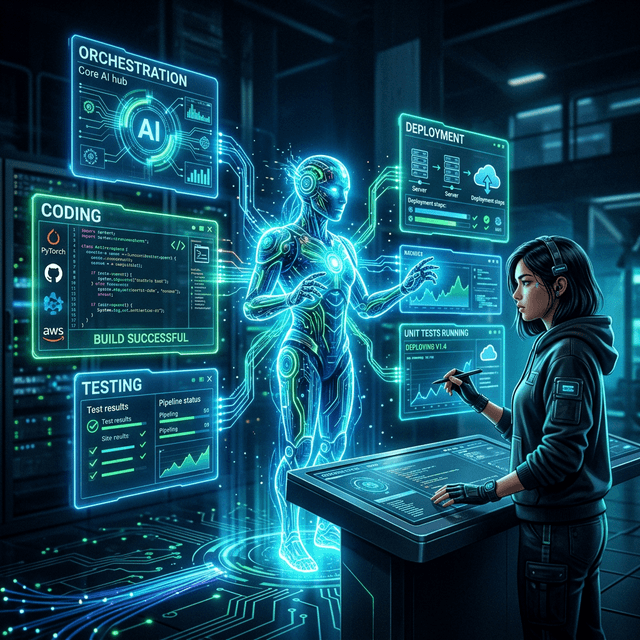
AI Agents for Software Engineers: How to 10x Your Productivity with Autonomous AI Workflows
AI agents go beyond chat—they plan, execute, and iterate autonomously. Learn how software engineers are using AI agents for coding, testing, debugging, and deployment to dramatically accelerate their workflow.
Mar 14, 2026
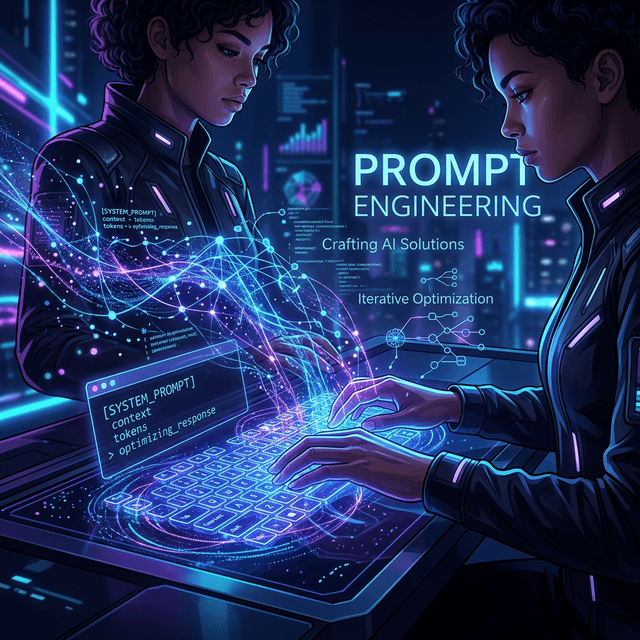
Prompt Engineering: The Art and Science of Communicating with AI in 2026
Prompt engineering has emerged as one of the most critical skills in the AI era. Learn how to craft effective prompts, understand token economics, and master the techniques that separate amateurs from experts.
Mar 10, 2026
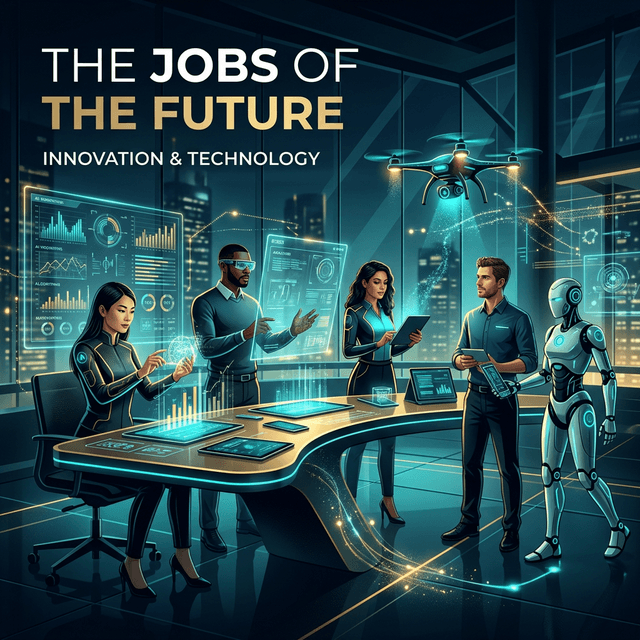
The Jobs of the Future: How AI Is Creating (Not Just Destroying) the Careers of Tomorrow
While headlines focus on job displacement, the reality is far more nuanced. New roles are emerging, existing roles are transforming, and the professionals who adapt will thrive in ways previous generations could never imagine.