


From Chat to Action
The 'chat' paradigm is shifting. In 2024, we asked LLMs to write code. In 2025, we act agents to 'deploy this feature'. The difference is agency: the ability to break down a high-level goal into a graph of dependent tasks, execute them against real tools (terminal, browser, IDE), and self-correct when errors occur.
I'm currently experimenting with multi-agent systems where a 'Planner' agent delegates to a 'Coder' and a 'Reviewer'. The friction is no longer intelligence; it's context window management and the reliability of the tools we give them.
The Tool Usage Protocol
Standardizing how agents interface with software is critical. The 'Model Context Protocol' (MCP) is emerging as a strong contender, allowing any developer to expose their API as a tool for an LLM without writing custom glue code. It's effectively 'Swagger for AI'.
Challenges: Infinite Loops & Cost
Agents can get stuck in reasoning loops. 'Heuristics-based termination' is a fancy way of saying we need kill-switches. I implement strict budget caps (both financial and token-based) on every autonomous rum run.
Related reading

Mar 30, 2026
AI in Cybersecurity: How Automated Threat Detection and Response Is Transforming Digital Defense in 2026
Cyberattacks are faster, smarter, and more frequent than ever. AI-powered cybersecurity systems are the only defense capable of matching the speed and sophistication of modern threats. Here is how AI is reshaping digital security.
Mar 15, 2026
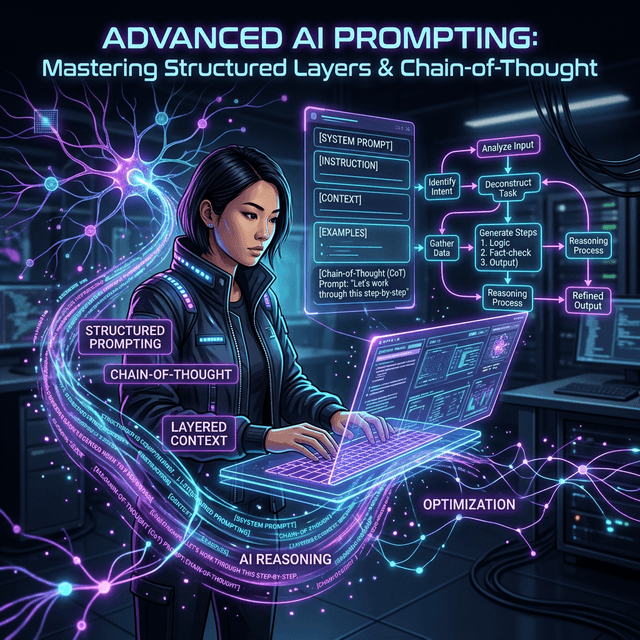
Advanced Prompting Techniques: System Prompts, Meta-Prompting, and Prompt Chains That Actually Work
Move beyond basic prompting. This deep dive covers system prompt architecture, meta-prompting strategies, multi-step prompt chains, and the advanced patterns used by professional AI engineers to get consistently excellent results.
Mar 13, 2026
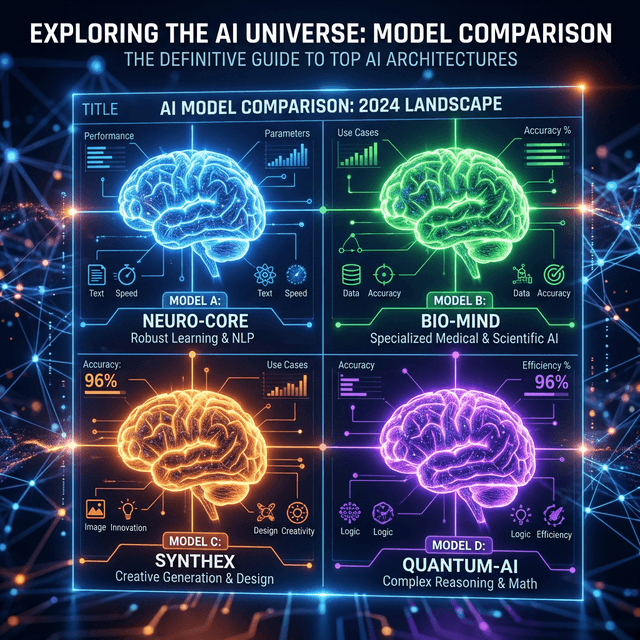
GPT vs Gemini vs Claude vs Llama: The Definitive AI Model Comparison for 2026
Not all AI models are created equal. This comprehensive comparison breaks down the strengths, weaknesses, pricing, and ideal use cases for every major AI model available today.