

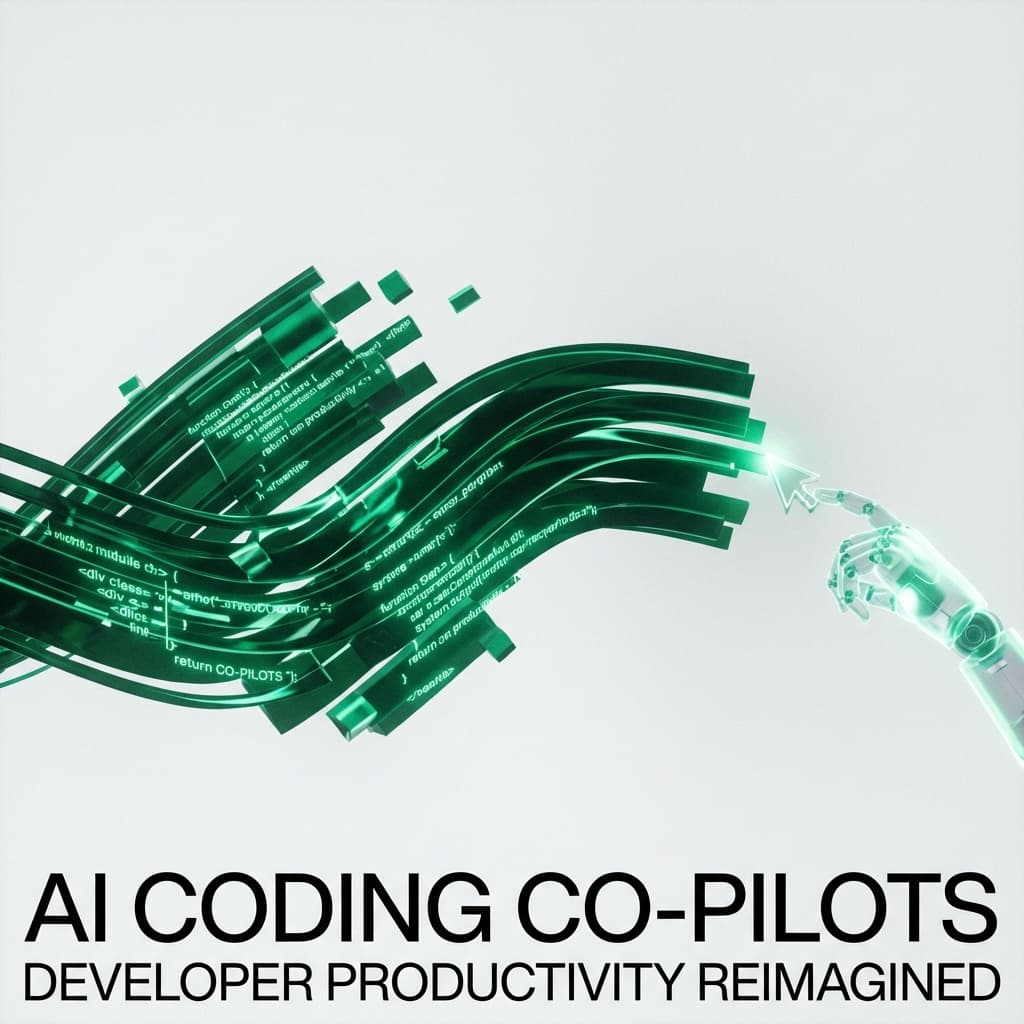
The Hierarchy of Assistance
Not all AI tools are created equal. I categorize them into three tiers: 'Autocomplete' (GitHub Copilot), 'Context-Aware Editors' (Cursor, Windsurf), and 'Deep Reasoning Agents' (Claude Projects, ChatGPT).
Autocompletion handles the next 10 seconds of typing. Context-aware editors handle the next 10 minutes of refactoring. Deep reasoning agents help plan the next 10 hours of architecture. Knowing which tool to reach for is the new meta-skill for senior engineers.
Pattern: prompt → verify → commit
I always begin with a structured prompt that includes architecture context, acceptance criteria, and non-negotiables like accessibility or performance budgets. After the AI outputs code, I run it locally, add missing tests, and summarize why it’s trustworthy before pushing.
The 'Verify' step is critical. I often ask the AI to explain its own code or generate a counter-argument for why this approach might fail. This 'adversarial prompting' reveals edge cases that the initial generation might have missed.
My current stack: The Power Trio
For fast, in-flow editing, I use GitHub Copilot. It's unbeatable for boilerplate and pattern matching. For complex refactors that touch multiple files, I switch to Cursor because of its superior codebase indexing and 'Composer' mode.
When I need to understand a new domain or library, I use Claude Projects or a custom GPT fine-tuned on the documentation. This allows me to 'chat with the docs' and get answers grounded in the specific version I'm using.
- Copilot: inline completions + chat for micro-refactors
- Cursor: multi-file edits and auto-applied patches across the repo
- Sourcegraph Cody: semantic repo search when onboarding to massive codebases
Metrics that prove impact
I track PR turnaround time, test coverage drift, and defect density to ensure AI isn’t creating cleanup work. On average we reclaim ~8 hours per developer each sprint while maintaining our quality bar. However, we've noticed that while 'Time to Code' decreases, 'Time to Review' slightly increases as reviewers need to be more vigilant.
Related reading
Mar 12, 2026
The Advantages of OpenClaw: Why This Open-Source AI Agent Is Changing How We Work
Privacy-first, open-source, and integrated into every chat app you use — OpenClaw offers unique advantages over cloud-based AI assistants. Here is why developers and professionals are making the switch.

Mar 11, 2026
How to Use Claude AI Effectively: A Practical Guide for Developers and Professionals
Claude by Anthropic is one of the most capable AI assistants available. This hands-on guide shows you exactly how to leverage Claude for coding, analysis, writing, and complex problem-solving.
Mar 8, 2026
The Advantages of Claude AI: Why More Teams Are Switching to Anthropic's AI Assistant
From its industry-leading context window to its safety-first design philosophy, Claude offers unique advantages that are making it the AI assistant of choice for developers, researchers, and businesses.