
Mobile Apps9 min read
How to Create a Mobile App: 9 Steps from Idea to Launch
How to create a mobile app in 9 steps: define the problem, pick features, design, choose a stack, build, test on real devices and submit to the stores.
Guides
57 hands-on articles from building our own apps: creating and publishing mobile apps, App Store optimization, React Native and Expo in production, and the AI tools we use to ship faster.

How to create a mobile app in 9 steps: define the problem, pick features, design, choose a stack, build, test on real devices and submit to the stores.
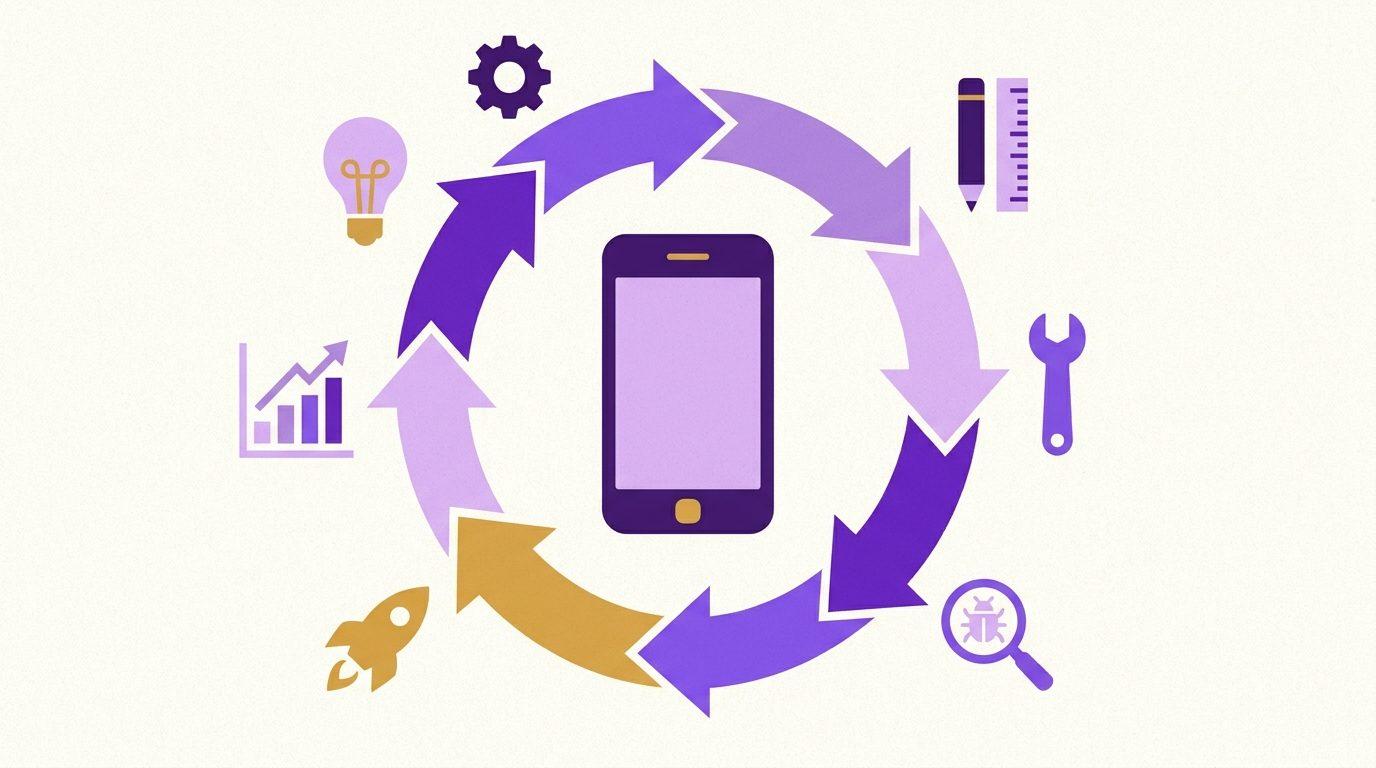
The mobile app lifecycle in 7 stages: validation, design, development, testing, launch, growth and retirement. What to do and what to avoid in each.

A practical iOS ASO guide: what App Store search indexes, how to use the name, subtitle and keyword field, and how to turn page views into downloads.

App Store vs Google Play compared for developers: account fees, review, testing, store listing rules, commission and which store to launch on first.
15 practical n8n workflows for alerts, data sync, AI, DevOps and content. Each one lists the trigger, the main nodes and the gotcha that bites first.
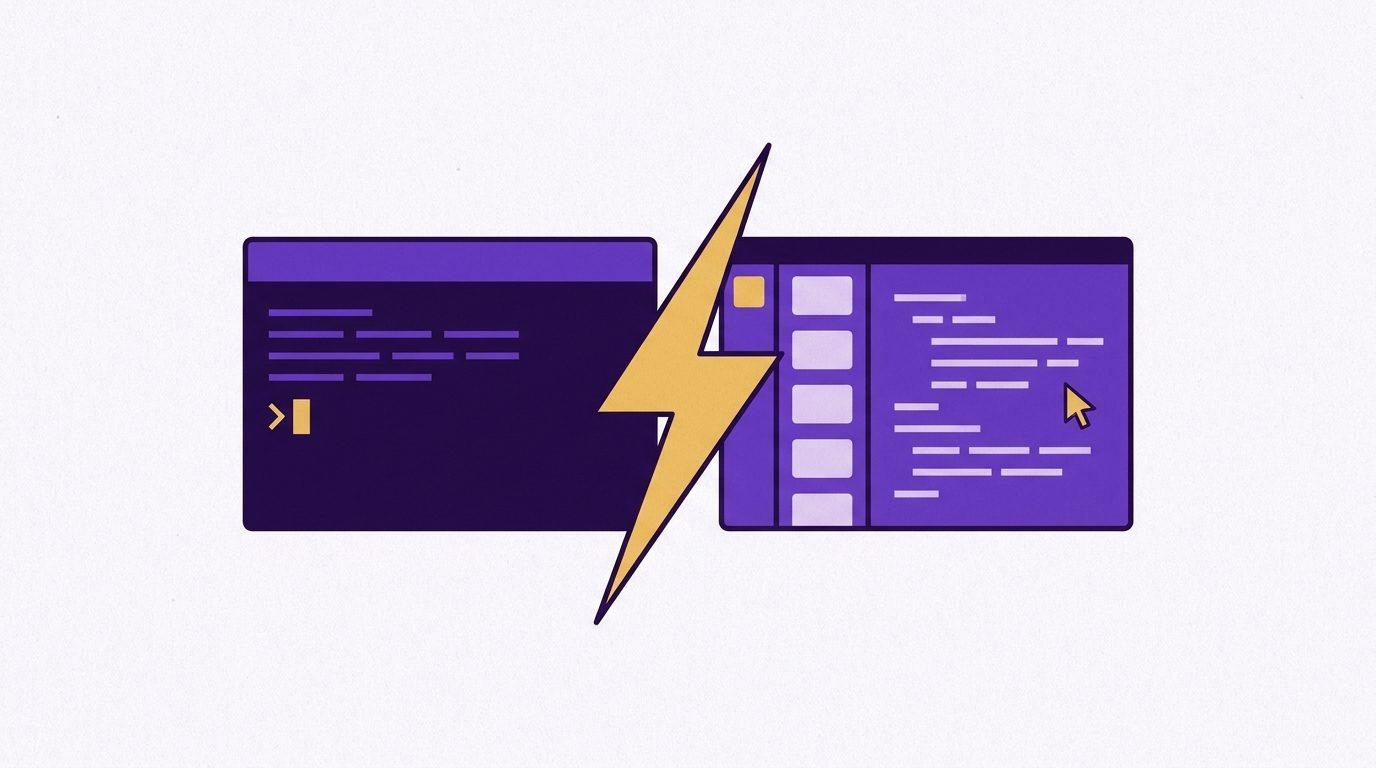
Claude Code vs Cursor compared on interface, autonomy, context handling, pricing model and team fit, plus when it makes sense to run both together.

Self-host n8n with Docker: the run command, a Docker Compose setup with PostgreSQL, HTTPS, the env vars that matter, queue mode, updates and backups.

RAG vs fine-tuning, explained for builders: what each one does, the cost, latency and freshness trade-offs, and a simple checklist to pick the right one.

Build your first n8n AI agent step by step: Chat Trigger, AI Agent node, chat model, memory and tools. Plus the limits and mistakes to know before you ship.
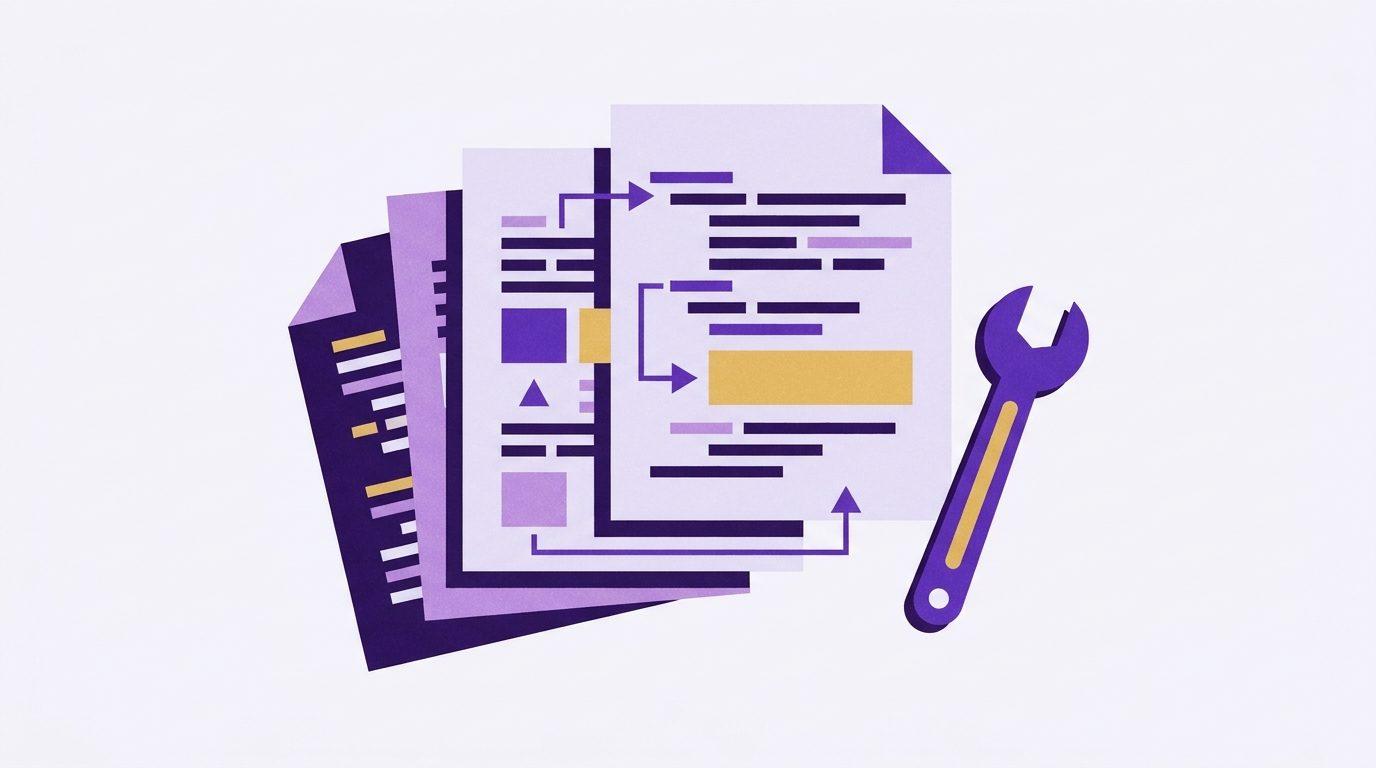
Which AI coding assistant handles multi-file refactoring best, and how to plan, scope, test, review and roll back the change so nothing breaks.
Add AI to a React Native app the safe way: keep API keys on your backend, stream responses to the UI, send camera photos, and handle errors and cost.

Pinecone vs pgvector vs Chroma for RAG: hosting, scaling, filtering, hybrid search and ops burden compared, with notes on FAISS, Qdrant and Weaviate.

A security checklist for enterprise AI code completion: data retention, training on your code, SSO, audit logs, IP indemnity, self-hosting and rollout.

Where to sell n8n workflow templates, what tends to sell, pricing models, what n8n's license allows, and why you should keep your income expectations modest.

From intelligent document processing to autonomous decision engines, AI-driven workflow automation is eliminating manual tasks at an unprecedented pace. Here is what every business leader and developer needs to know about the trends defining 2026.

The barrier between idea and AI-powered application has never been lower. No-code AI platforms are enabling business analysts, marketers, and entrepreneurs to build sophisticated intelligent applications without writing a single line of code.

Cyberattacks are faster, smarter, and more frequent than ever. AI-powered cybersecurity systems are the only defense capable of matching the speed and sophistication of modern threats. Here is how AI is reshaping digital security.

From self-healing infrastructure to AI-driven deployment decisions, intelligent automation is transforming every aspect of DevOps. Discover how AI is making software delivery faster, more reliable, and more efficient than ever before.

AI is transforming content creation from a bottleneck into a scalable engine. From blog posts and social media to video and personalized campaigns, discover how AI-powered content automation is reshaping digital marketing.
n8n workflow automation done right — visual building, code when you need it, AI agents, and self-hosting cost math. The 2026 engineer's playbook.
Open-source, self-hostable, code-flexible, and AI-native — n8n offers fundamental advantages that closed-source automation platforms cannot match. Here is why technical teams are switching.
OpenClaw is the open-source AI assistant that actually does things — managing your inbox, calendar, and files from WhatsApp, Telegram, or any chat app. Here is everything you need to get started.

Privacy-first, open-source, and integrated into every chat app you use — OpenClaw offers unique advantages over cloud-based AI assistants. Here is why developers and professionals are making the switch.

Move beyond basic prompting. This deep dive covers system prompt architecture, meta-prompting strategies, multi-step prompt chains, and the advanced patterns used by professional AI engineers to get consistently excellent results.

Not all AI models are created equal. This comprehensive comparison breaks down the strengths, weaknesses, pricing, and ideal use cases for every major AI model available today.

Claude by Anthropic is one of the most capable AI assistants available. This hands-on guide shows you exactly how to leverage Claude for coding, analysis, writing, and complex problem-solving.

From its industry-leading context window to its safety-first design philosophy, Claude offers unique advantages that are making it the AI assistant of choice for developers, researchers, and businesses.
AI agents go beyond chat—they plan, execute, and iterate autonomously. Learn how software engineers are using AI agents for coding, testing, debugging, and deployment to dramatically accelerate their workflow.

Prompt engineering has emerged as one of the most critical skills in the AI era. Learn how to craft effective prompts, understand token economics, and master the techniques that separate amateurs from experts.

While headlines focus on job displacement, the reality is far more nuanced. New roles are emerging, existing roles are transforming, and the professionals who adapt will thrive in ways previous generations could never imagine.

You don't need a PhD in machine learning to thrive in the AI era, but you do need to understand the fundamentals. This guide covers exactly what every professional must know to stay relevant.

From warehouse floors to operating rooms, AI-powered robots are no longer science fiction. Explore how the fusion of artificial intelligence and robotics is transforming every sector of the economy.

From adaptive learning platforms to AI tutors that never lose patience, artificial intelligence is reshaping how we teach and learn. Here is what the education revolution actually looks like in practice.

From automated code generation to ethical AI frameworks, artificial intelligence is fundamentally transforming how software is built, tested, and maintained. Here is what every engineer and tech leader needs to know.
What an AI agent is, how tool calling and the agent loop work, where MCP fits, and the guardrails you need for cost, loops and reliability before shipping one.

What the React Compiler does, how to turn it on in Next.js, when useMemo and useCallback still matter, and the mistakes that stop it from optimizing your code.

How Next.js middleware works, when to use it for auth, redirects, geolocation and A/B testing, and the mistakes that make it slow or insecure. With examples.
How Expo Router works: file-based routes, layouts, dynamic segments, typed routes and universal links, plus when to pick it over React Navigation.

A practical, step-by-step guide to building a RAG pipeline with LangChain: loading, chunking, embeddings, a vector store, retrieval, reranking, generation and evaluation.

Microservices add a tax most small teams can't afford. What a modular monolith is, how to enforce boundaries in a monorepo, and when splitting makes sense.

How CSS container queries work, the syntax you need, container units, how they differ from media queries, and the gotchas that trip people up in real layouts.
What Next.js Server Actions are, how to use them with forms, how to validate and secure them, and when an API route is still the better choice for the job.

How to use native iOS and Android code in Expo without ejecting: config plugins, prebuild, the Expo Modules API in Swift and Kotlin, and development builds.

How to optimize images in Next.js: next/image sizing, priority for LCP, AVIF and WebP, remote patterns, and custom loaders for CMS and CDN images.

As AI agents take more actions on our behalf, the UI must evolve from 'magic box' to 'transparent partner'. Here is how to design for explainability.

Why I'm moving inference from the cloud to the edge. A practical guide to running TensorFlow Lite and CoreML directly in React Native apps.

A look at how I pair edge rendering with bespoke storytelling to keep premium sites performant.

How I integrate AI safely into day-to-day engineering rituals without sacrificing code quality or team trust.

Practical workflows for generating hero art, UI mockups, and mood boards with AI while keeping brand consistency.

Framer Motion patterns that feel effortless while guiding users to take action.

Raising the bar for mobile experiences with refined typography, tactile feedback, and zero-jank animations.
Cursor, Claude Code, Copilot, Windsurf, Codeium — honest comparison of AI code completion tools after a year of shipping production code.

Self-hosted AI is finally production-ready. Real cost math, hardware requirements, and the failure modes of running Llama, Mistral, and DeepSeek.
Build React Native apps with AI that actually ship. Patterns for streaming, on-device inference, latency tuning, and battery-aware design.

The AI stack we use at Codmaker to ship mobile and web products solo — models, tools, infra, and the decisions that actually save time and money.

Practical AI security pipeline patterns for threat detection in 2026 — LLM triage, log analysis, and the architecture decisions that actually work.
What we learned shipping 17 mobile and web apps as a solo product lab — stack discipline, AI's real role, and the distribution mistakes that cost us months.